Quick answer: What’s the easiest way to start affiliate marketing?
The easiest way to start affiliate marketing is to pick a narrow niche, join one or two beginner‑friendly affiliate programs (like Amazon Associates or a niche merchant network), and publish useful content that recommends products—such as a product review or comparison—then drive traffic to that content using SEO or short‑form video. Start small, focus on helping a specific audience, and reinvest earnings into better content and traffic.
Why this approach works
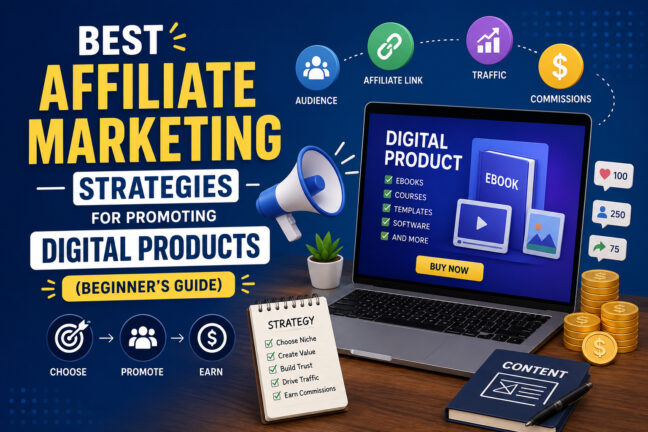
Affiliate marketing is a long game. The fastest path to early results is not to chase every shiny tactic but to combine three simple things: a specific audience (niche), helpful content that solves their problems, and reliable traffic. This setup minimizes guesswork and keeps costs low while you learn what converts.
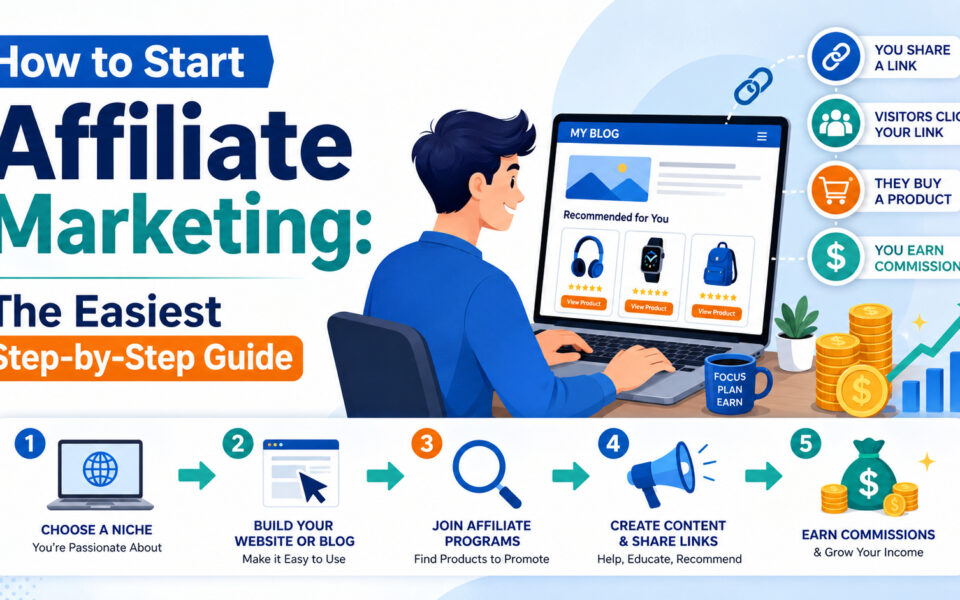
Step‑by‑step: How to start affiliate marketing (practical checklist)
Follow these steps in order. Each step is actionable and keeps upfront costs and complexity low.
1. Choose a narrow niche
- Pick an audience you understand or are willing to research. Example niches: beginner home baristas, ultralight backpacking, home office ergonomics, pet grooming for small dogs.
- Validate demand: search for product searches and questions in forums, Amazon, Reddit, and keyword tools. Avoid overly broad niches (e.g., “fitness”) at first.
2. Decide on a content platform
Pick one main platform to start. Options that work well for beginners:
- Blog/website — Best for long‑term SEO traffic and evergreen reviews.
- YouTube — Great for product demos and reviews; high conversion when viewers trust the creator.
- Short‑form social (TikTok, Instagram Reels) — Fast to produce and can build an audience quickly; convert better for impulse buys or low‑cost products.
- Email list — Extremely valuable once you have traffic; not usually the first thing to build but prioritized as you grow.
3. Join affiliate programs
- Start with one or two programs that fit your niche. Options include platform marketplaces (Amazon Associates), merchant networks (ShareASale, CJ, Impact), and direct merchant programs (check product sites).
- Read terms carefully—look for cookie length, payout thresholds, and rules about links and coupons.
4. Create three core pieces of content
Begin with content designed to attract buyers:
- Best-of or top 10 list — Good for capturing comparison traffic.
- In-depth review — One product review with pros, cons, who it’s for, and real use cases.
- Beginner’s guide or how-to — Solves a problem and naturally recommends products as tools.
5. Optimize for conversions
- Use clear calls to action: “Check current price,” “See full review,” or “Buy now from [merchant].”
- Make buying steps obvious: product, benefits, who it’s for, alternatives, and link to buy.
- Disclose affiliate relationships clearly and honestly.
6. Drive traffic strategically
Start with free channels and scale to paid later:
- SEO — Target buyer intent keywords (“best X for Y,” “X review”). Focus on on‑page SEO and helpful content. This takes longer but is sustainable.
- Short‑form video — Quick demos and top‑3 lists can bring fast engagement and sales.
- Forums and communities — Answer questions and link to your guide when it genuinely helps (avoid spam).
7. Measure and iterate
- Track clicks, conversions, and revenue per piece of content.
- Double down on formats and topics that convert. Rework low‑performing pages.
Quick start options: Which path is easiest for you?
Different creators have different strengths. Below are four realistic entry paths and why they’re easy.
1. Niche blog (best for text writers and long‑term passive traffic)
- Low startup cost (hosting + domain). Write practical reviews and buyer guides optimized for search. Expect 3–6 months for consistent organic traffic for competitive keywords.
2. YouTube channel (best for product demos and visual niches)
- Requires basic recording/editing skills. Videos can rank in search and convert well because viewers see the product in use. Good for tech, tools, outdoor gear, and beauty.
3. Short‑form social (fast audience growth, good for impulse buys)
- Create quick product tips, unboxings, or side‑by‑side demos. Works best for lower‑price products and creators comfortable on camera.
4. Email‑first (best if you already have an audience)
- If you already have social followers or a small list, email can convert at higher rates. Use a lead magnet (checklist or mini guide) to capture subscribers, then recommend products.
90‑day plan to launch and see early results
This timeline assumes you start with one platform and one niche.
Days 1–7: Setup and research
- Pick niche and top 10 keyword/content ideas.
- Register domain or set up a channel/profile. Join 1–2 affiliate programs.
Weeks 2–6: Create foundational content
- Publish at least 3–6 high‑quality pieces (reviews, best‑of, how‑to).
- Optimize each for search and share on relevant communities.
Weeks 7–12: Promote and refine
- Start promoting via short‑form video, guest posts, or forum answers.
- Collect basic metrics: traffic, clicks, and any sales. Improve pages that get traffic but no conversions.
- Plan next 12 pieces based on early wins.
Tools and low‑cost resources to get started
- Website: shared hosting (budget options around $3–10/month) and WordPress.
- Keyword research: free tools like Google Keyword Planner, AnswerThePublic, Ubersuggest (free tier).
- Video: phone camera, basic tripod, free editing apps (InShot, iMovie).
- Email: Free tiers from services like MailerLite or Sendinblue.
- Link tracking: use UTM parameters and your affiliate dashboard to track clicks.
Common beginner mistakes and how to avoid them
- Chasing too many niches — Spreads effort thin. Start narrow and expand later.
- Expecting instant income — Most methods take months to show meaningful returns.
- Over‑promoting instead of helping — Content that’s clearly useful builds trust and converts better.
- Ignoring analytics — Track which pages convert and double down on them.
How to stay compliant and build trust
- Always include a disclosure that you use affiliate links. Place it near the top of the content where readers will see it.
- Be honest about pros and cons. Balanced reviews build long‑term credibility.
- Follow platform rules—some merchant programs disallow certain promotion methods or incentivized clicks.
How much time and money will it take?
Initial cost can be under $100 if you DIY a blog or start on social. Time is the bigger investment—plan on several hours per week creating content, and expect 3–12 months before steady income for most beginners. Paid ads speed results but add risk and cost.
Metrics to watch (not just vanity metrics)
- Clicks on affiliate links — Shows if people are interested enough to consider buying.
- Conversion rate — Sales per click; helps identify what content converts well.
- Revenue per piece of content — Tells you which articles or videos are worth scaling.
- Traffic sources — Search vs social vs referral to focus promotion efforts.
When to scale and what to scale
Scale once you have a content type and topic that reliably earns clicks or sales. Scale options:
- Create more content in the same format (e.g., more reviews).
- Repurpose content across platforms (article → video → short clips).
- Invest in paid traffic or outsourcing content creation.
Who should try affiliate marketing—and who should consider other paths
- Good fit: People who can create helpful content consistently, enjoy niche research, and are patient for results.
- Not ideal: Those looking for immediate, large income with minimal work. If you need fast cash, consider freelancing or gig work until affiliate efforts mature.
Final practical tips
- Start with one or two affiliate programs and a narrow niche.
- Focus on content that answers buyer questions—reviews and comparisons convert best early on.
- Measure, tweak, and repeat the content that works. Consistency beats sporadic effort.
- Keep learning—study top creators in your niche and adapt techniques that fit your voice and audience.
Conclusion
To start affiliate marketing the easiest way: pick a narrow niche, choose one platform, create buyer‑focused content, and use SEO or short‑form video to drive traffic. Keep costs low, track what converts, and scale what works. With consistent effort and attention to helping your audience, affiliate marketing can become a reliable income stream over time.
Quick starter checklist
- Pick niche and 3 target keywords.
- Set up blog or channel and join 1–2 affiliate programs.
- Publish 3 core pieces: best‑of, review, how‑to.
- Promote content and track clicks/conversions.
- Iterate and plan the next 12 pieces based on early performance.
More from The Affiliate Digest
-
Tube Claw AI review: Features, pricing, is it legit or a scam?
Tube Claw AI promises an all-in-one AI toolkit for faceless YouTube channels: scripts, voices, avatars, SEO and uploads.…
-
Brett Rutecky’s Affiliate Store Review
Affiliate Store is a low-cost, no-code AI assistant for creating a simple affiliate storefront. It can generate product…
-
How to Get Traffic for Affiliate Marketing: A Beginner’s Step‑by‑Step Guide
Practical, step-by-step methods to get targeted traffic for affiliate marketing — free and paid options, SEO and content…
-
Aigency Valet Review — What Joshua Zamora’s Service Promises and Who It’s Best For
Aigency Valet is a marketing/agency support product marketed by Joshua Zamora that promises systems and assets to help…
-
Vidicom review: AI product videos for e-commerce (2026)
Vidicom is an AI video generator that creates studio-style product videos from a product URL. It’s designed for…